Mastering Fitness App Design for Growth
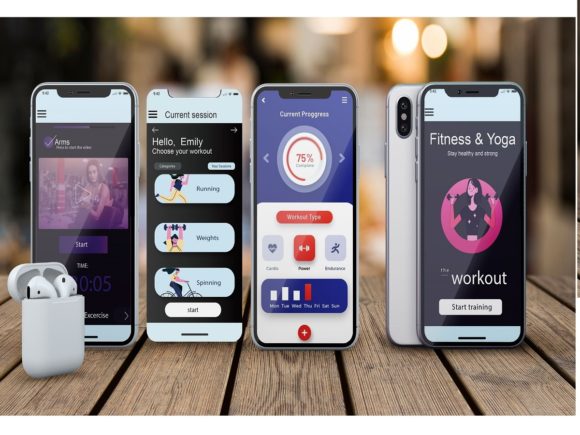
Creating a successful digital product in the health and wellness space requires more than just good code; it demands a visual language that motivates users to move. Fitness app design is the strategic process of crafting user interfaces and experiences that make tracking workouts, monitoring nutrition, and achieving personal goals feel intuitive and rewarding. Whether you are a solo entrepreneur launching a new startup, a freelance designer building a portfolio, or a small business owner expanding your brand into the digital realm, understanding the nuances of this niche is essential. The goal is to bridge the gap between complex data—like heart rate zones, calorie counts, and rep schemes—and a clean, accessible interface that anyone can understand.
At its core, effective design in this sector solves a specific human problem: consistency. Most people struggle to stick to a fitness routine not because they lack ability, but because the tools they use are confusing or demotivating. A well-designed application removes friction. It guides the user seamlessly from logging in to completing a session. This involves thoughtful typography, color psychology, and iconography that speaks the language of energy and health. For beginners entering this field, the appeal lies in the tangible impact these designs have on people's lives. When a user sees their progress visualized clearly, they are more likely to return tomorrow. That retention is the ultimate metric of success for any creator or marketer in this space.
Why Visual Identity Matters in Health Tech
The competition in the health technology market is fierce. Thousands of apps vie for attention on app stores every day. To stand out, your project needs a distinct visual identity that communicates trust and professionalism immediately. This is where high-quality assets come into play. A generic look can make even the most functional app feel cheap or unreliable. Conversely, a polished, custom aesthetic signals to the user that the content within is valuable and credible. This is particularly true for educators and coaches who rely on their digital presence to sell courses or training programs. Your branding acts as a silent ambassador, working 24/7 to convert casual browsers into loyal subscribers.
Consider the role of video content in promoting these applications. Tutorials, workout demos, and promotional reels are standard marketing tools. However, the way you end these videos matters just as much as how you start them. A professional sign-off reinforces your brand memory. This is why many creators invest in specific graphic elements, such as a "Thanks For Watching" logo or end-screen graphic. These aren't just decorative; they are functional calls to action. When paired with a strong Fitness App Design strategy, these elements create a cohesive ecosystem where every touchpoint, from the app interface to the YouTube outro, feels part of the same family.
Essential File Formats for Flexible Branding
When assembling your design toolkit, flexibility is key. You never know when you might need to resize a logo for a billboard or change a color to match a seasonal campaign. This is why relying on raster images alone is a mistake. Professional workflows demand vector files. Specifically, formats like SVG (Scalable Vector Graphics) and EPS (Encapsulated PostScript) are industry standards for a reason. They allow you to scale graphics infinitely without losing quality. Whether you are printing merchandise for your gym or displaying a logo on a high-resolution retina display, vector files ensure crisp edges and perfect clarity.
For those purchasing design assets, knowing what you are getting is crucial. A comprehensive package should include a zip file containing various formats to suit different software environments. For instance, receiving an EPS file means you can open the artwork in Adobe Illustrator and manipulate every single shape. You can easily resize elements or change colors to align with your specific brand palette. This level of customization is vital for entrepreneurs who need to adapt their visuals quickly. Imagine needing to switch your brand color from blue to green for a St. Patrick's Day promotion; with the right vector files, this is a task of seconds rather than hours.
- High Resolution: Ensures your graphics look sharp on all devices, from mobile phones to 4K monitors.
- Editable Text: Allows you to customize messages like "Thanks For Watching" to say "Subscribe Now" or "Join Today."
- Layered Structures: Makes it easy to combine different elements to create unique illustrations tailored to your niche.
- Compatibility: Files should work seamlessly with industry-standard tools like Adobe Illustrator, ensuring a smooth workflow.
Practical Applications for Creators and Businesses
The utility of robust design assets extends far beyond the app interface itself. Freelancers and marketers can leverage these resources across multiple channels. If you are running a social media campaign for a new fitness tracker, you can use your vector logos to create consistent story highlights, profile pictures, and ad creatives. Bloggers can embed high-quality graphics in their articles to break up text and illustrate points about workout routines. Even educators creating online courses can use these assets to brand their slide decks and certificate templates, adding a layer of professionalism that justifies higher price points.
Let's look at a realistic scenario. Suppose you are a hobbyist who has developed a simple workout planner app. You have recorded a series of tutorial videos showing users how to log their exercises. At the end of each video, you want to encourage viewers to download the app. Instead of using a plain text fade-out, you insert a professionally designed "Thanks For Watching" graphic that includes your app's logo and a QR code. Because the file is a 100% vector, you can adjust the size of the QR code without it becoming pixelated. You can also match the background color of the graphic to the specific theme of that video lesson. This attention to detail enhances the user experience and increases the likelihood of conversion.
Key Considerations Before You Start
Before diving into design or purchasing assets, there are a few important factors to consider. First, think about your target audience. A fitness app designed for serious bodybuilders will have a different aesthetic—perhaps bold, dark, and aggressive—compared to an app focused on yoga and mindfulness, which might use softer tones and rounded shapes. Your design choices must reflect the emotional state you want to evoke in your users. Second, consider the technical constraints of your platform. While vector files are great for design, ensure they are exported correctly for web or mobile use to maintain performance speeds.
Another critical aspect is ease of editing. If you are not a professional graphic designer, you need tools that are forgiving and intuitive. Look for packages that advertise "easy to edit" or "ready to change text." This empowers you to make updates without needing to hire a designer for every minor tweak. The ability to customize colors and shapes allows you to future-proof your brand. As your business grows and evolves, your visual identity can grow with it. Finally, always verify the licensing terms of any assets you download. Ensure you have the rights to use them for commercial purposes if you intend to sell products or services.
In the end, the journey of building a fitness brand is about connection. It is about creating a space where users feel supported and inspired. Great Fitness App Design facilitates this connection by removing barriers and enhancing clarity. When you pair a thoughtful interface with high-quality, flexible branding assets, you set the stage for long-term success. Whether you are tweaking a logo color or designing a new onboarding flow, remember that every detail contributes to the overall user experience. Take the time to choose the right tools, understand your audience, and create visuals that truly resonate. With the right foundation, your project can thrive in the dynamic world of health and wellness technology.