Bringing Freshness to Design with an Organic Vegetable Food Seamless Pattern
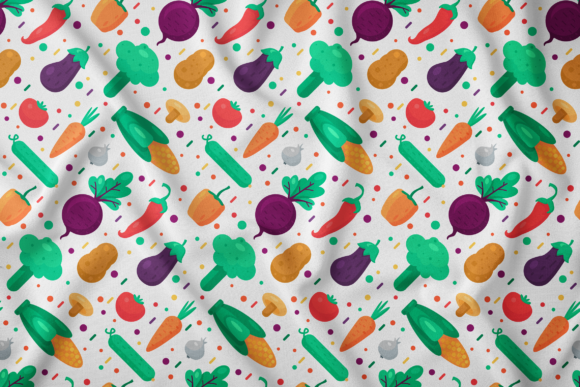
Finding the right visual texture for a project often feels like searching for the perfect ingredient in a recipe. If you are working on something related to health, agriculture, cooking, or sustainable living, generic geometric shapes or abstract blobs rarely hit the mark. You need something that communicates freshness and vitality instantly. This is where an Organic Vegetable Food Seamless Pattern becomes an invaluable asset. It isn't just a collection of clip art; it is a cohesive design system featuring natural carrots, beets, eggplants, spices like chili and pepper, and staples such as cucumbers, mushrooms, corn, tomatoes, garlic, and potatoes.
The modern outline flat style used in these vectors strikes a balance between professional cleanliness and approachable warmth. Unlike photorealistic images that can clutter a layout or dated illustrations that feel stiff, this style uses clean lines and vibrant color textures to create a background that supports your content rather than competing with it. Whether you are a freelance graphic designer, a small business owner launching a new product, or a blogger sharing healthy recipes, understanding how to leverage this specific type of resource can elevate your work significantly.
Real-World Applications for Creators and Businesses
The versatility of a seamless pattern lies in its ability to adapt to various mediums without losing quality. Because the file typically includes formats like EPS 10, SVG, PNG with a transparent background, and high-resolution JPG, you have the flexibility to use it across digital and print environments. Here is how different professionals can apply this in their daily workflows:
- Packaging Design for Artisanal Foods: Imagine you are launching a line of organic spice blends or a small-batch hot sauce. Using a pattern featuring chili peppers, garlic, and tomatoes as a subtle background on your label instantly signals "natural" and "flavorful" to the consumer. The seamless nature means you can tile it across a large wrapping paper roll or a small jar label without worrying about awkward cuts or visible seams.
- Web Design and UI Elements: For developers and web designers building sites for nutritionists, farm-to-table restaurants, or grocery delivery services, the SVG file is a game-changer. You can use the vegetable motifs as section dividers, hero background overlays, or even interactive icons. Since vector files scale infinitely, they look crisp on everything from a mobile phone screen to a 4K desktop monitor, ensuring your site maintains a professional edge.
- Social Media Branding: Content creators and marketers know that consistency is key. Using the flat illustration style of carrots, corn, and eggplants to create branded templates for Instagram stories or Facebook covers helps establish a recognizable visual identity. The "vegan background texture" aspect makes it particularly suitable for plant-based influencers who want to reinforce their message through every post.
- Educational Materials: Teachers and educational publishers creating worksheets about nutrition, biology, or farming can use these clear, outline-style icons to make learning engaging. The simple lines are easy for children to color, while the accurate representation of vegetables like broccoli and beet helps in teaching food groups and agricultural concepts.
Why the Vector Format Matters for Long-Term Use
When you invest time in selecting a design element, you want to ensure it remains useful as your projects grow. The primary advantage of using an Organic Vegetable Food Seamless Pattern vector over a standard raster image is scalability. If you start by designing a business card and later decide to print a massive banner for a local farmer's market, a raster image might become pixelated and blurry. However, because this resource includes an EPS 10 file editable in Illustrator 10 or above, you can resize the corn, tomato, or mushroom elements to any dimension without losing clarity.
Furthermore, the inclusion of a transparent PNG allows for immediate drag-and-drop usage in software like Photoshop or Canva, which is perfect for quick turnarounds. But having the source vector file means you are not stuck with the default colors. Perhaps your brand palette is muted earth tones rather than the bright reds and greens shown in the preview. With the vector file, you can easily recolor the garlic, potato, or pepper outlines to match your specific branding guidelines perfectly. This level of customization turns a stock asset into a bespoke part of your visual identity.
Choosing the Right Style for Your Audience
Not all food illustrations are created equal, and the "modern outline flat style" mentioned in this collection serves a specific psychological purpose. In today's market, consumers are increasingly skeptical of overly processed or artificial imagery. They gravitate towards designs that feel honest and grounded. The use of simple lines and natural forms in this pattern taps into the "eco" and "bio" aesthetic that suggests transparency and purity.
Consider a scenario where you are designing a website for a diet coaching service. A busy, photographic background might distract from your text and call-to-action buttons. In contrast, a subtle, repeating pattern of light-outline vegetables provides texture and interest while keeping the focus on your message. It creates an atmosphere of health and wellness without screaming for attention. This balance is crucial for user experience (UX), as it keeps visitors on the page longer by making the environment feel inviting rather than chaotic.
Additionally, the variety of items included—ranging from root vegetables like beets and carrots to fruits often categorized culinarily as vegetables like tomatoes and eggplants—ensures you aren't limited to a single theme. You aren't just selling "salads"; you are representing the breadth of agriculture, harvest, and fresh groceries. This makes the pattern suitable for a wider range of topics, including sustainability reports, community garden newsletters, or even textile fashion prints for eco-conscious clothing lines.
Practical Considerations Before You Download
Before integrating this pattern into your workflow, there are a few practical factors to consider to ensure it meets your needs. First, verify the software compatibility. While the package usually includes universal formats like JPG and PNG, taking full advantage of the editing capabilities requires access to vector editing software like Adobe Illustrator. If you rely solely on basic tools, ensure the provided PNG resolution is high enough for your intended print size.
Second, think about the context of use. While the pattern is described as "tasty" and vibrant, ensure the color saturation aligns with your overall design language. Sometimes, lowering the opacity of the pattern layer in your design software can create a sophisticated watermark effect that works better for corporate documents or formal presentations than the full-color version.
Finally, remember that while the preview images and mockups are often excluded from the download, the core value lies in the raw assets. The 100 vector IT ornament templates mentioned suggest a robust library, but focusing on the core vegetable elements will yield the most consistent results for food-related projects. By understanding the distinction between the decorative ornaments and the primary food icons, you can mix and match elements to create unique compositions that don't look like off-the-shelf templates.
In conclusion, an Organic Vegetable Food Seamless Pattern is more than just a decorative background; it is a strategic tool for communication. Whether you are trying to sell a product, educate an audience, or beautify a digital space, the right visual language bridges the gap between your intent and your audience's perception. By choosing a resource that offers flexibility, high-quality vector formats, and a relatable modern style, you equip yourself to create work that feels fresh, professional, and deeply connected to the natural world.