Unleashing Creativity with Hand-Painted Leopard Rainbow Patterns for Digital and Print Design
In the ever-evolving landscape of digital design and creative entrepreneurship, the demand for unique, high-quality assets continues to rise. Designers, small business owners, and hobbyists are constantly seeking resources that stand out from the generic, algorithm-generated graphics flooding the market. Among the most captivating trends merging nature's aesthetics with vibrant modernism is the use of Leopard Rainbow Patterns. These distinct designs offer a bridge between organic texture and playful color, providing a versatile foundation for a wide array of creative projects.
This article explores the intricacies of utilizing hand-drawn and hand-painted pattern packs, specifically focusing on their application in commercial and personal workflows. By understanding the technical specifications, licensing nuances, and practical applications of these assets, creators can maximize their value while maintaining professional standards in their output.
The Artistic Value of Hand-Drawn Elements
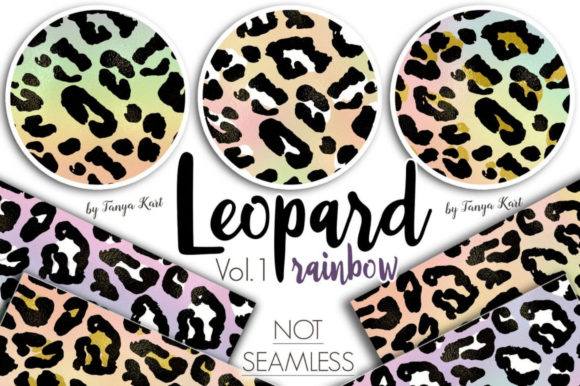
The primary distinction between mass-produced digital papers and premium assets lies in the creation process. The Leopard Rainbow Patterns discussed here are not merely filtered photographs or vector repetitions; they are crafted using hand-drawn and hand-painted elements. This approach, championed by designer Tanya Kart, infuses each file with a level of authenticity that software alone struggles to replicate.
Hand-painted textures introduce subtle imperfections, brushstroke variations, and depth that resonate with viewers on a subconscious level. When applied to a leopard print motif—a classic symbol of boldness—and reimagined through a rainbow spectrum, the result is a dynamic visual statement. For educators creating engaging classroom materials or authors designing book covers, this artistic nuance adds a layer of sophistication. It signals to the audience that care and human effort went into the final product, distinguishing it from low-effort clip art.
Technical Specifications and Quality Standards
For professionals, the utility of a digital asset is often dictated by its technical resolution. Low-resolution images may look acceptable on a smartphone screen but fail catastrophically when printed on physical merchandise. The specific pack featuring these rainbow leopard designs addresses this concern by providing high-quality 300 dpi JPEG files.
A resolution of 300 dots per inch (dpi) is the industry standard for professional printing. Whether you are producing art prints, posters, or fabric transfers, this density ensures that edges remain crisp and colors do not appear pixelated. The files are sized at 9" x 9", offering a square format that is highly adaptable. While some might prefer seamless tiles for background filling, these non-seamless files are designed as standalone artistic statements or focal points. This format is particularly advantageous for creating centered designs on t-shirts, mug wraps, or planner covers where a specific composition is desired rather than an infinite repeat.
Diverse Applications for Creators and Businesses
The versatility of this digital paper pack extends far beyond simple background decoration. Because the files are provided in a universal JPEG format, they can be integrated into virtually any design workflow, from web development to physical product manufacturing. Below are several key areas where these patterns excel.
Stationery and Organizational Tools
The stationery industry, particularly the planner and journal community, thrives on aesthetic customization. Users of this pack can create planner stickers, covers, and dashboards that reflect a vibrant personality. The rainbow coloration allows for color-coding systems within planners, while the leopard motif adds a touch of wild elegance. For small businesses selling digital downloads, these assets serve as the perfect base for creating cohesive stationery suites. Additionally, they are ideal for invitations for birthdays, baby showers, or pride-themed events, where a balance of fun and style is required.
Merchandise and Apparel
One of the most lucrative avenues for independent creators is Print-on-Demand (POD). The Leopard Rainbow Patterns are explicitly suitable for printing on T-shirts, mugs, and fabrics. When preparing files for apparel, the 300 dpi resolution ensures that the intricate details of the hand-painted spots remain clear even after the heat transfer or sublimation process. Designers can place the 9x9 image centrally on a garment or crop specific sections to create pocket prints or sleeve details. The non-seamless nature of the files encourages creative cropping, allowing the user to treat the pattern as a graphic illustration rather than just a background.
Digital Media and Web Design
Beyond physical goods, these patterns hold significant value in the digital realm. Web designers and bloggers can utilize these JPEGs to create eye-catching headers, social media post backgrounds, or website accents. In the context of digital albums and scrapbooking, the textures add a tactile feel to virtual pages. For content creators building brand identities, incorporating such distinct patterns can help establish a recognizable visual language across blogs and social platforms.
Licensing and Commercial Usage Guidelines
Understanding the legal framework surrounding digital assets is crucial for avoiding copyright infringement and protecting one's business. The usage rights for this specific collection are structured to support individual creators and small enterprises while protecting the intellectual property of the original artist, Tanya Kart.
- Personal Use: Buyers are free to use the files for unlimited personal projects, such as decorating a home office, creating gifts for friends, or personal digital organization.
- Small Commercial Use: The license permits commercial application for small businesses, with a cap of up to 500 copies. This makes it ideal for Etsy sellers, local boutique owners, or freelancers taking on limited client projects. It allows for the production of physical end-products like printed shirts or mugs for sale.
- Restrictions: It is imperative to note what is not allowed. Users may not share the original digital files nor resell them as digital downloads. The value lies in the transformation of the asset into a new product, not in the redistribution of the source file itself.
This licensing model strikes a balance, enabling entrepreneurs to build revenue streams without competing directly with the original creator in the digital marketplace. It fosters an ecosystem where artists are compensated for their work, and makers have access to high-quality tools to grow their ventures.
Workflow Integration and File Management
Upon purchasing, the user receives a single Zip file containing 12 JPEG format files. Efficient workflow management begins with proper file organization. Once downloaded and extracted, designers should categorize these files within their asset libraries. Since the patterns are not seamless, the workflow involves deciding how to frame the 9x9 canvas.
For example, a designer creating a mug wrap might need to duplicate and mirror the image in photo editing software to cover the circumference of the cup, ensuring the transition looks intentional. For a t-shirt design, the square format might be rotated or layered with typography. The hand-painted nature of the elements means they often have soft edges, which blend well when layered over solid colors or other textures in software like Adobe Photoshop, Procreate, or Canva.
Considerations for Professional Implementation
While the aesthetic appeal of Leopard Rainbow Patterns is undeniable, successful implementation requires attention to detail. Because the files are high-resolution JPEGs, they are ready for print but may require color profile adjustments depending on the printing method. RGB color modes, standard for digital screens, may shift slightly when converted to CMYK for offset printing. Professionals should always request a proof or test print when producing large batches to ensure the rainbow hues remain vibrant and true to the screen preview.
Furthermore, the "non-seamless" characteristic should be viewed as a feature rather than a limitation. It invites the creator to engage more deeply with the composition. Instead of mindlessly tiling a background, the designer must consider placement, scale, and negative space. This leads to more unique end products that do not look like template-based designs.
The Role of Unique Assets in Brand Differentiation
In a saturated market, brand differentiation is key. Using common, free-to-download patterns often results in a generic look that fails to capture consumer attention. By investing in specialized, hand-crafted assets like those designed by Tanya Kart, businesses signal a commitment to quality. Whether it is a teacher creating reward charts for students or a fashion brand launching a limited-edition summer line, the uniqueness of the source material translates into perceived value for the customer.
The combination of the leopard motif with rainbow colors taps into multiple trend currents simultaneously: the enduring popularity of animal prints and the celebratory, inclusive spirit of rainbow palettes. This duality makes the patterns applicable across seasons and demographics, from children's products to adult fashion accessories.
Conclusion on Creative Potential
The availability of high-resolution, hand-painted digital papers represents a significant opportunity for creators across various industries. The Leopard Rainbow Patterns pack offers a robust set of tools for anyone looking to inject color, texture, and artistic integrity into their projects. With clear licensing terms that support small business growth and technical specifications that meet professional printing standards, these assets are well-suited for both immediate use and long-term portfolio development.
By respecting the copyright guidelines—specifically the prohibition on reselling the raw files—and leveraging the 300 dpi quality for tangible goods, users can transform these digital downloads into profitable, beautiful realities. Whether adorning a planner, covering a mug, or framing an art poster, the potential for these patterns is limited only by the imagination of the user. As the digital economy continues to expand, the emphasis on authentic, human-created design elements will only grow, making such collections invaluable resources for the modern creator.