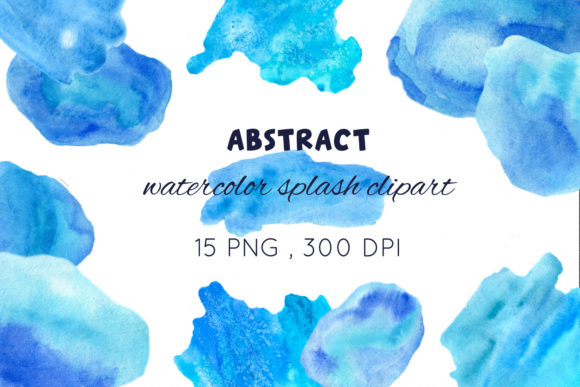
Unlocking Creative Potential with Watercolor Splash Clipart
In the evolving landscape of digital design, the demand for assets that bridge the gap between organic artistry and technical precision has never been higher. Among the most versatile tools available to modern creators is Watercolor Splash Clipart. Unlike rigid vector graphics or flat digital illustrations, watercolor elements bring a sense of fluidity, texture, and human touch to projects that often feel sterile in a purely digital environment. This article evaluates the practical application, quality standards, and strategic value of high-resolution watercolor abstract backgrounds and splash elements for professionals and hobbyists alike.
The Unique Value of Organic Textures in Digital Media
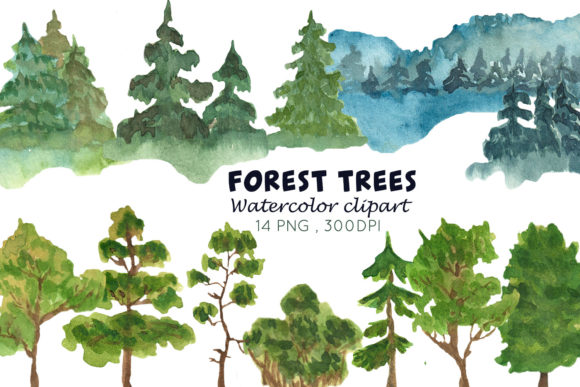
Watercolor splash clipart refers to digital images created from hand-painted watercolor techniques, scanned, and processed into usable graphic files. What makes these assets worth discussing is their ability to introduce imperfection and depth. In a world dominated by clean lines and uniform gradients, the unpredictable nature of watercolor—where pigments bleed, pool, and dry with unique textures—offers a refreshing contrast.
These elements are not merely decorative; they serve a functional purpose in visual hierarchy. A well-placed watercolor splash can draw the eye to a specific call-to-action on a website, soften the edges of a corporate invitation, or provide a textured backdrop that makes typography pop. The key characteristic here is versatility. Because watercolor is inherently abstract, it does not dictate a specific narrative, allowing the designer to impose their own meaning through color selection and composition.
Evaluating Quality and Technical Specifications
When sourcing digital assets, the difference between a amateur snapshot and a professional resource often lies in the technical specifications. For serious projects, such as textile printing or large-format home decor, resolution is non-negotiable. High-quality collections, such as those including 15 hand-painted designer watercolor elements in PNG format at 300 DPI, provide the necessary fidelity for both screen and print.
The use of PNG (Portable Network Graphics) is particularly critical for watercolor assets. Unlike JPEGs, which introduce compression artifacts and white backgrounds, PNGs support transparency. This allows the watercolor splash to be layered seamlessly over any background color or image without unsightly white boxes surrounding the pigment. A 300 DPI (dots per inch) resolution ensures that when these images are printed on physical media—such as dishes, T-shirts, or scrapbook paper—the edges remain crisp, and the subtle gradations of color do not pixelate.
It is important to note that while mockups are often used to demonstrate potential applications, they are typically for product demonstration only and are not included in the standard file sale. Professionals must distinguish between the asset itself and the contextual examples provided in marketing materials. The true value lies in the raw, high-resolution files that allow for complete creative control.
Practical Applications Across Industries
The utility of watercolor abstract backgrounds extends far beyond simple decoration. Their adaptability makes them suitable for a wide range of industries and project types.
- Web and Digital Marketing: Bloggers and marketers can use these backgrounds to create unique headers or social media graphics that stand out in crowded feeds. The organic feel helps build brand personality, suggesting approachability and creativity.
- Event Planning and Stationery: For invitations, postcards, and save-the-dates, watercolor splashes add an elegant, bespoke touch. They work exceptionally well for weddings, baby showers, and artistic gatherings where a formal, rigid aesthetic is undesirable.
- Product Design and Merchandising: Entrepreneurs looking to launch custom merchandise can utilize these elements for T-shirt designs, mug printing, and tote bags. The ability to combine unique text with these artistic backgrounds allows for the creation of one-of-a-kind products that resonate with niche audiences.
- Home Decor and Interior Design: From printing on dishes to creating wall art, these illustrations bring a gallery-like quality to domestic spaces. They offer a cost-effective way to refresh home decor with trending artistic styles.
- Textile and Fashion: The fluid nature of watercolor translates beautifully to fabric. Designers can use these clips to create patterns for scarves, dresses, or upholstery, adding a handcrafted feel to mass-produced textiles.
Workflow Integration and Flexibility
For freelancers and small business owners, time is a scarce resource. Integrating pre-made, high-quality watercolor elements into a workflow can significantly reduce production time without sacrificing quality. Instead of spending hours painting and scanning original artwork, a designer can instantly access a library of professional-grade splashes.
The flexibility of these assets allows for extensive customization. Users can adjust opacity, apply blending modes in software like Adobe Photoshop or Procreate, and recolor elements to match specific brand palettes. For instance, a marketer might take a blue watercolor splash and shift its hue to align with a client's corporate identity, then layer it behind a bold headline for a brochure. This level of manipulation ensures that the final product feels custom-made, even when utilizing stock resources.
Furthermore, the consistency of a curated pack—such as a set of 15 coordinated elements—ensures that all pieces within a project share a similar texture and style. This coherence is vital for maintaining a professional look across a multi-page document or a series of social media posts.
Who Benefits Most from These Assets?
While anyone with a creative inclination can enjoy watercolor clipart, specific groups derive exceptional value from them:
- Small Business Owners: Those without the budget for custom illustration commissions can achieve a high-end aesthetic using premium clipart packs for their packaging and branding.
- Educators and Publishers: Teachers creating engaging worksheets or publishers designing book covers can use these backgrounds to make content more visually appealing and less intimidating.
- Scrapbookers and Hobbyists: For personal projects, the ability to print high-quality elements for memory keeping adds a professional finish to personal archives.
- Web Developers: Developers looking to break away from standard Bootstrap templates can use these backgrounds to add unique visual interest to landing pages.
Realistic Limitations and Considerations
Despite their many strengths, it is essential to approach watercolor splash clipart with a realistic understanding of its limitations. Because these are raster images (pixels) rather than vectors, they cannot be scaled up infinitely without losing quality. While 300 DPI is sufficient for most standard print sizes, attempting to stretch a small element to cover a billboard will result in blurriness. Users must respect the native resolution of the files.
Additionally, because these are popular assets, there is a risk of overuse. If a specific watercolor splash becomes ubiquitous across various brands, it may lose its uniqueness. To mitigate this, creators should focus on combining elements in novel ways, mixing different splashes, or integrating them with original typography and photography. The goal is to use the asset as a building block, not the entire foundation of the design.
It is also crucial to verify licensing terms. While many creators, such as Oksana Nowart, offer these files for broad commercial use, restrictions may apply regarding resale of the raw files themselves. Always review the specific terms of the download to ensure compliance.
Making the Right Choice for Your Project
Ultimately, the decision to incorporate Watercolor Splash Clipart into your workflow should be driven by the emotional tone you wish to convey. If your project requires warmth, creativity, and a human touch, these assets are unparalleled. They offer a shortcut to sophistication, allowing designers to focus on layout and messaging while relying on the inherent beauty of hand-painted textures for visual impact.
Whether you are designing a wedding invitation, launching a new line of apparel, or simply looking to enhance your blog's visual identity, high-quality watercolor elements provide a reliable and effective solution. By selecting files with proper resolution and transparent backgrounds, and by applying them with strategic intent, you can elevate ordinary designs into memorable visual experiences. As with any tool, the results depend on the skill and vision of the user, but starting with a solid, professional foundation certainly tilts the odds in your favor.